Media kits for people in front of the camera
Help adult creators present work examples, deliverables and collaboration details in one considered kit.
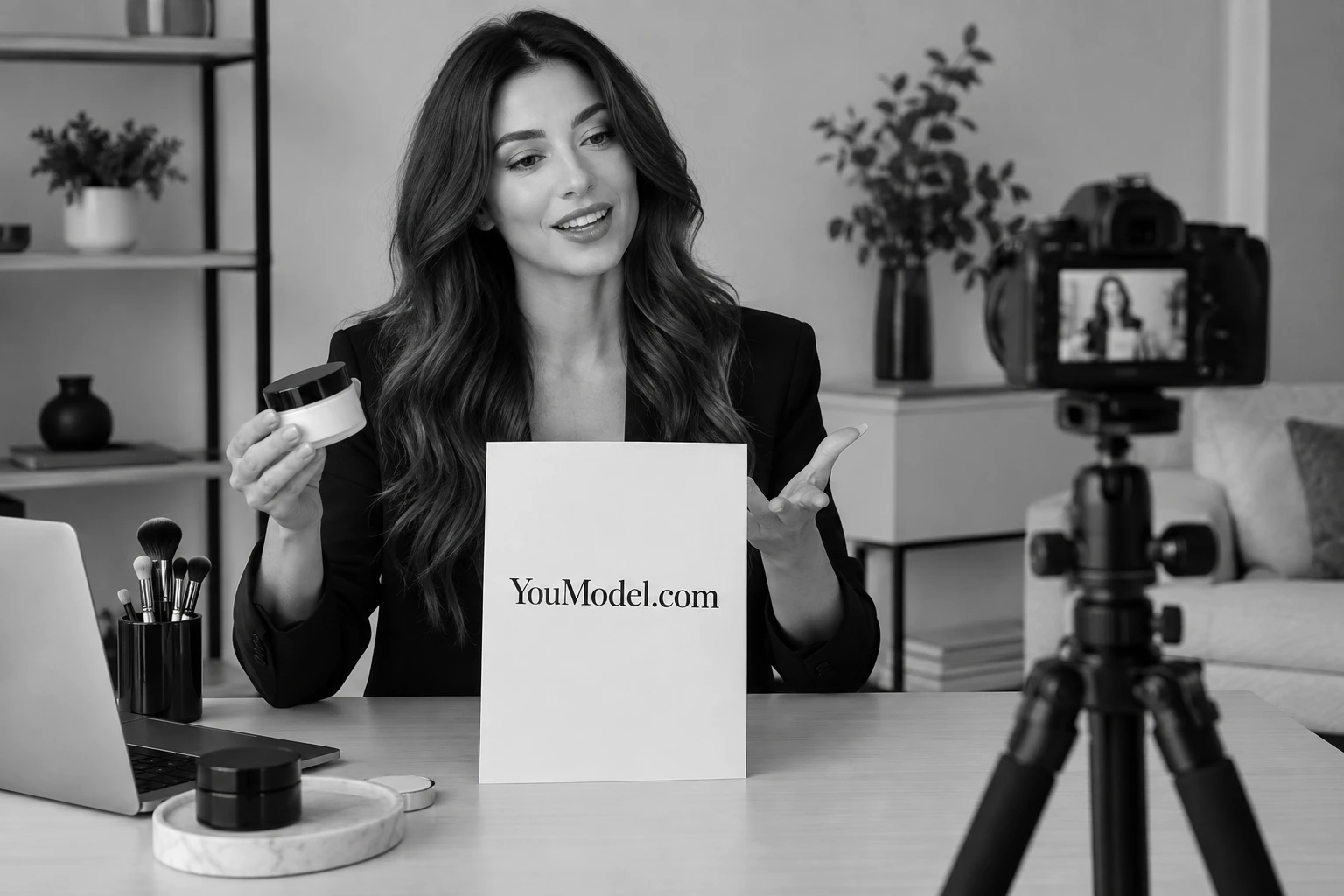
A creator can be excellent on camera and still send a confusing pitch. One email contains a social handle, another has sample videos and a third explains what is included in a proposed package. A media-kit product could gather those essentials into one clear presentation. Under YouModel.com, the focus could be adult creators who appear in their own work and want to explain what a brand can commission from them.
This is an illustrative product idea. It differs from a model's image portfolio because the central question is commercial: what can this creator make, what does the work look like and what should a prospective collaborator ask next? It differs from a casting directory because the creator owns the kit and sends it directly. The first customer could be an independent UGC creator preparing to approach a small group of brands.
Build the kit around the buying conversation
A first version might include a concise introduction, three to five relevant examples, a list of deliverables and a collaboration inquiry form. If audience information is included, show the source and date. A creator selling production skills may need stronger examples and clearer deliverables more than a large follower count. The template should support that distinction instead of forcing every person into the same influencer story.
Canva's media-kit maker demonstrates the familiar starting point of editable presentation material. A new product would need to offer something useful beyond a set of attractive pages. Guided writing, working example links and an easy way to keep information current are possible differentiators. Test these separately so the founder can see what customers actually value.
Use a concrete first package
The initial service could help a creator assemble a one-page web kit and a concise downloadable version. Define the number of work examples, the amount of writing support and the revision limit. Ask the creator to choose the type of brand they want to approach. A kit for skincare demonstrations needs different examples from one for home organization, even if the underlying page structure is shared.
Imagine an adult creator who makes short kitchen demonstrations. Their kit could show a hands-on product explanation, an on-camera introduction and a finished recipe video. Each example would state the creator's role and link to an authorized version of the work. A sample deliverables section could distinguish a finished vertical video from raw footage or still photographs. These proposed examples make the offer easier to understand without inventing customers or campaign results.
Keep claims tied to evidence
A kit should never turn a platform screenshot into a broad promise about future results. When the creator shares audience statistics, identify the platform, time period and metric. Views, reach and followers describe different things. Give the customer space to explain the context rather than encouraging a single impressive number. A founder can build helpful prompts around these distinctions without claiming to verify every performance statement automatically.
Permission also matters for work samples. A creator may have made a video but still need approval to display it publicly. The intake process should ask what can be shown, where it can be linked and whether a private example is available instead. Provide a quick way to remove a sample if its status changes. A polished kit becomes a liability if its most prominent example should no longer be shared.
Make updates simpler than rebuilding a pitch
A hosted kit can make routine changes less tedious. The creator might replace a sample, revise the kinds of projects they accept or update their location. Adobe Portfolio's support for pages and galleries offers a useful reference for organizing creative material online. The proposed media-kit product would concentrate that publishing idea around a specific collaboration conversation.
Keep the public page concise and let supporting material sit behind clear links. A prospective collaborator should be able to understand the offer on a phone before a meeting. The downloadable version needs a date and a way back to the current kit, because attachments travel beyond their original recipient. The service should explain which version is current instead of promising that every old PDF can remain up to date.
Reach a small creator cohort
A founder could partner with a creator workshop, a local production community or a trainer who already helps people improve on-camera work. Offer a limited pilot with an agreed outcome and ask participants to bring real examples. Observe where they hesitate: describing their niche, naming deliverables or deciding which work deserves attention. Those moments can shape the product's guidance and customer support.
Have each participant use the finished kit in a small number of appropriate conversations. Follow up on clarity rather than promising response rates. Ask whether the recipient understood the available services and what questions came back. A creator who receives the same basic question repeatedly may need a stronger section on the page. That is a useful product insight even if no project is booked during the pilot.
Choose a sustainable service boundary
The business could charge for assisted setup, ongoing hosting or periodic kit reviews. Those options carry different workloads. A founder who offers unlimited writing support will need a plan for that labor; one who offers self-service templates will need clearer guidance inside the product. Estimate support time from the pilot instead of assuming every customer can complete the process unaided.
The next step is to test one kit format with a small group of adult creators and a few willing brand-side readers. Keep notes on what each audience needed to understand. YouModel.com could become the public address for that service, with its future owner responsible for building the product and customer base. To discuss acquiring the name for this direction, send an inquiry describing the intended customer and first offer.

About Michael Santiago
Michael founded i-Newswire.com in 2007, progressing through iNewswire.com to the short, category-defining Newswire.com. The business he helped build sold to Issuer Direct for $44 million in 2022. He develops premium domains and companies through OnlineBusiness.com today.